Short-staffed kitchens are producing more covers with fewer experienced cooks. That pressure is pushing operators across every segment toward intelligent cooking equipment. But the decision that stalls most of them isn't whether to add a combi oven. It's which one.
RATIONAL builds two combi lines designed for different operating realities: the iCombi Pro and the iCombi Classic. Both cook with steam, convection, and combination heat. Both deliver consistent results. The difference is the level of intelligence required between the operator and the food.
Why Combi Ovens Are Becoming Essential in Commercial Kitchens
Operators in K-12 cafeterias, healthcare facilities, casinos, and chain restaurants share the same set of pressures. Experienced line cooks are harder to find. Menus are expanding. Guests expect consistent quality regardless of who's on the shift.
A combi oven consolidates what used to require multiple pieces of equipment into a single cooking platform. Steam, convection, and combination modes handle everything from gentle protein work to high-volume entrées. That consolidation reduces the decisions a cook makes during service and the stations they need to manage.
Modern combi technology adds programmable recipes, automatic humidity control, and multi-stage cooking that run consistently from shift to shift. For kitchens where labor turnover is constant, built-in cooking intelligence means less time training new staff and fewer quality gaps reaching the plate.
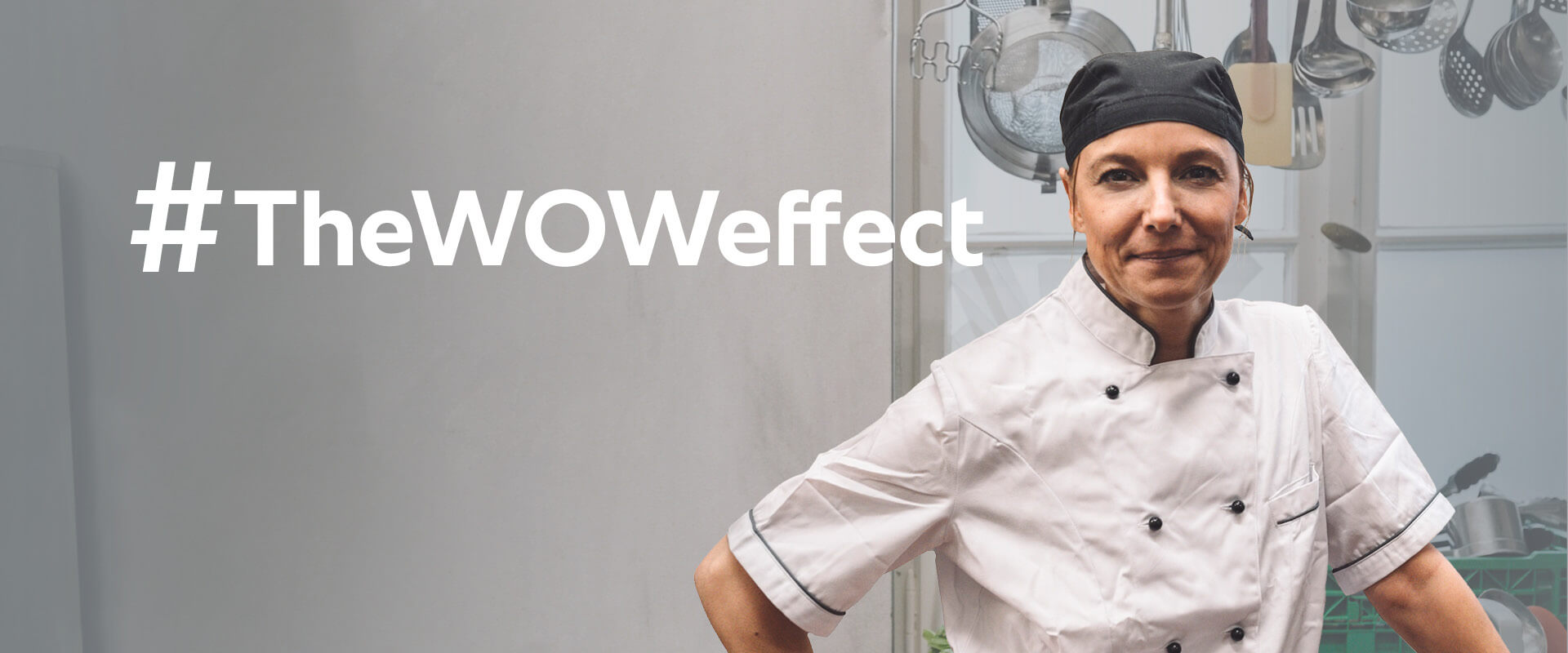
This is what we call the WOW Effect.
RATIONAL iCombi Pro: Intelligent Cooking That Adapts in Real Time
The iCombi Pro is RATIONAL's AI-assisted combi oven, built for kitchens running high volumes with varying menu demands.
Its core technology is the iCookingSuite, which monitors and adjusts cooking conditions automatically. When an operator loads different quantities, opens the door during a cycle, or runs mixed products simultaneously, the system compensates in real time. The cook doesn't need to recalculate.
The iProductionManager allows multiple dishes to cook simultaneously without flavor transfer and can schedule recurring production cycles. For kitchens producing across multiple dayparts with rotating staff, the iCombi Pro reduces the gap between a skilled cook's output and a new hire's. The operator selects the dish, and the oven manages the cooking.
Automatic cleaning runs through the iCareSystem in standard or eco modes, including a 12-minute interim clean between service periods. Downtime stays minimal.
Best fit: High-volume, multi-menu kitchens (hospitals, university dining, casinos, large-format restaurants) where automation, throughput, and consistency across varying staff skill levels are the primary concerns.
RATIONAL iCombi Classic: Core Combi Performance with a Simpler Interface
The iCombi Classic delivers the same three cooking modes through a more hands-on, streamlined control system.
Operators work with a rotary dial and color display to set and monitor cooking parameters. ClimaPlus humidity control adjusts in 10% increments. Up to 100 programmable recipes can be stored, each with multi-stage cooking processes of up to 12 steps. Up to three fans distribute heat evenly across the cabinet, and the line is built for energy-efficient operation.
The Classic doesn't learn from load conditions or auto-adjust the way the Pro does. What it offers is reliable, repeatable combi cooking that an experienced operator can dial in precisely and a newer cook can follow through saved programs.
Best fit: Kitchens with moderate volume and relatively stable menus (independent restaurants, smaller cafeterias, senior living dining) where the team benefits from core combi functionality without the additional automation layer.
How to Choose the Right Combi Oven for Your Kitchen
The iCombi Pro and iCombi Classic serve different operating conditions. Matching the right model to the kitchen starts with five questions.
Volume and daypart complexity. Kitchens producing hundreds of covers across breakfast, lunch, and dinner with different menus each daypart lean toward the Pro's automated scheduling and mixed-load intelligence. Operations with a tighter, more predictable menu may not need that layer.
Staffing levels and turnover. If the kitchen relies on rotating or less-experienced cooks, the Pro's real-time adjustments reduce the risk of inconsistent results. If the team is stable and trained, the Classic's programmable recipes provide consistency without the AI overhead.
Menu complexity. Multi-product cooking, with entrées, sides, and proteins running simultaneously, is where the iProductionManager earns its value. Single-category or sequential cooking works well on the Classic.
Training capacity. The Pro's guided, self-adjusting operation shortens onboarding. The Classic's rotary-dial control is intuitive but assumes more familiarity with combi cooking.
ROI horizon. Both units reduce labor dependency and improve consistency. The Pro's automation layer delivers more measurable efficiency gains in high-volume settings. The Classic's lower entry point suits operations where the core combi advantage, consolidation and programmability, is the primary return.
Frequently Asked Questions About RATIONAL Combi Ovens
What is the main difference between the RATIONAL iCombi Pro and iCombi Classic?
The iCombi Pro uses AI-assisted technology (iCookingSuite, iProductionManager) that automatically adjusts cooking conditions based on load size, product type, and real-time cabinet conditions. The iCombi Classic provides the same three cooking modes with manual control, programmable recipes, and precise humidity adjustment through a simpler interface.
Can a combi oven really reduce labor costs in a commercial kitchen?
Combi ovens consolidate multiple cooking functions into one unit and automate decisions that otherwise require skilled oversight. Programmable recipes and multi-stage cooking let less-experienced staff produce consistent results, which reduces training time and allows operators to reallocate labor across the kitchen.
Which RATIONAL combi oven is better for a school cafeteria?
It depends on volume and menu complexity. A large district kitchen producing hundreds of meals across multiple programs often benefits from the iCombi Pro's automated scheduling and mixed-load capability. A smaller school kitchen running a set daily menu may get everything it needs from the iCombi Classic's programmable consistency.
How do I know which model fits my kitchen before purchasing?
PMR operates test kitchens in Lawrenceville, GA and Memphis, TN where operators can see both models run under real cooking conditions. A food consultation gives the kitchen team hands-on time with the equipment before making a specification decision.
See the Difference Before You Specify
Choosing between the iCombi Pro and iCombi Classic is easier when the equipment is running in front of the team. PMR's test kitchens in Lawrenceville, GA and Memphis, TN give operators and dealers hands-on time with both RATIONAL combi ovens before the spec sheet is written.