
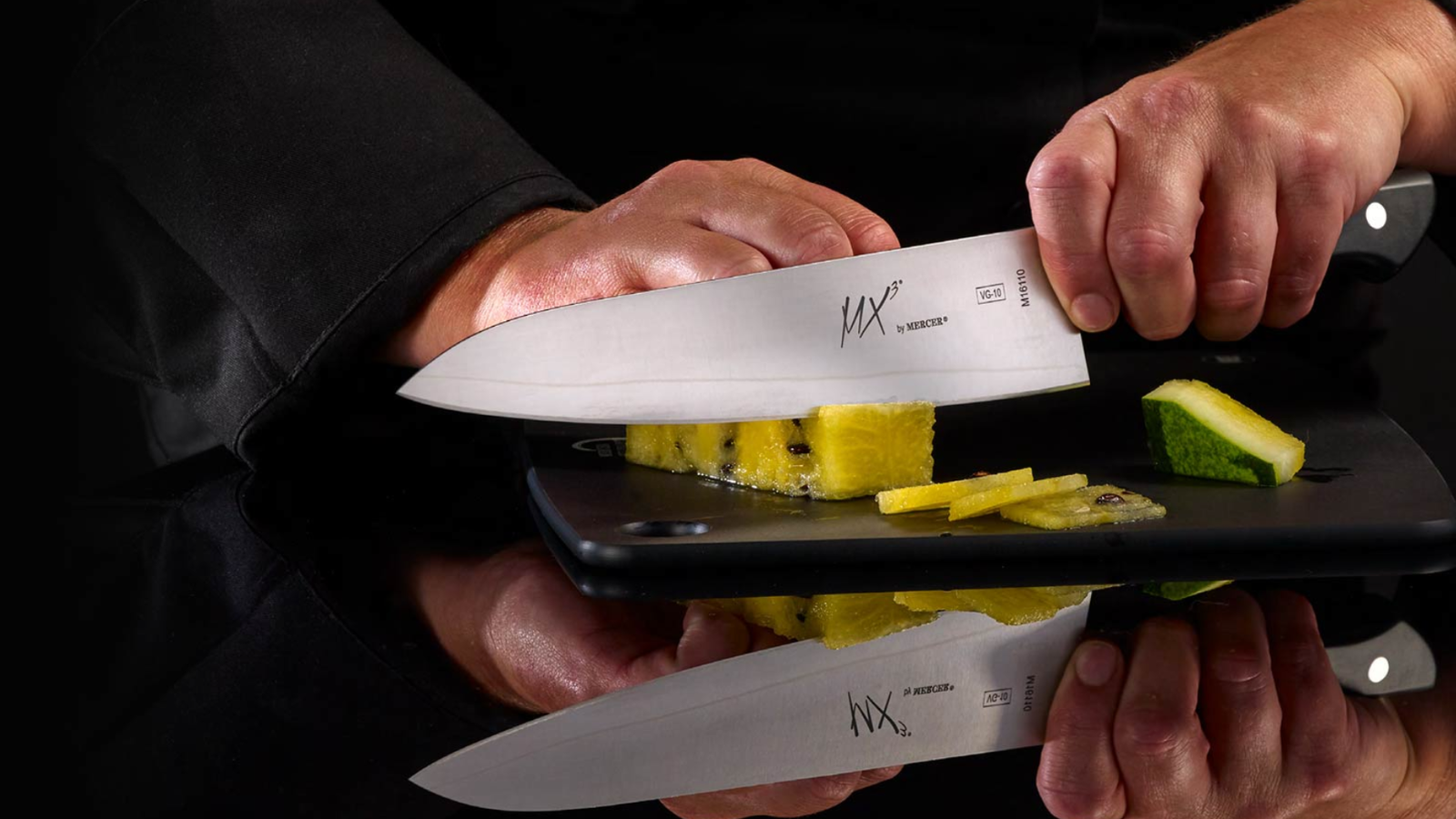
Back-of-house performance runs on prep speed. When the tools at the cutting board fight the cook, throughput and safety both take the hit. Dull blades slow the line. Poorly balanced handles increase fatigue. Product comes out inconsistent.
The knives and prep tools an operator chooses affect how fast the kitchen moves, how uniform the output is, and how safely the crew works through a full shift.
Why Prep Efficiency Matters More Than Most Operators Realize
Labor is the most constrained resource in most commercial kitchens. When prep takes longer than it should, the cost shows up in overtime and delayed service, with cooks already fatigued before the dinner rush starts.
Consistency is the second pressure point. Uniform cuts affect cook times and plating presentation. When cuts vary from one cook to the next, the kitchen compensates downstream with adjusted timing and waste that better prep would have prevented.
Throughput connects prep to everything that follows. A bottleneck at the cutting board ripples through the entire service window. Cooking equipment that automates part of the workflow helps downstream, but only if prep keeps pace. Operators managing high-volume lunch and dinner turns feel this most. When prep falls behind, the line compensates with shortcuts that affect plate quality and food safety.
The prep station is also where most knife-related injuries occur. Crews working with worn or mismatched tools make more compensating movements and pressure-heavy cuts that increase risk over the course of a shift. Prep speed and crew safety both start with the tools themselves.
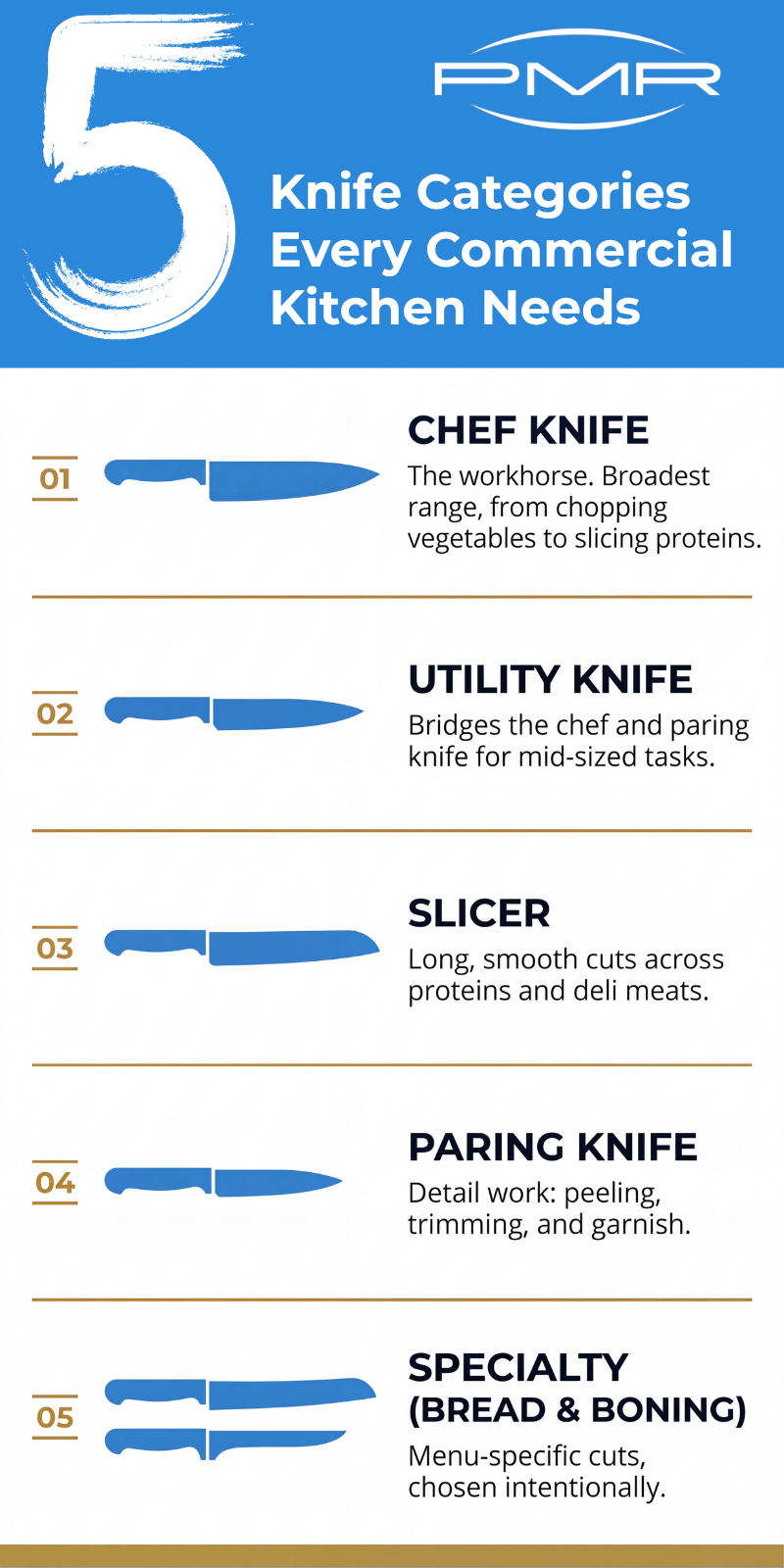
What Knife Categories Every Commercial Kitchen Needs
Different cuts require different tools. A high-volume kitchen that tries to handle every task with a chef knife and a paring knife will move slower and produce less consistent results than one that matches the right blade to the job.
The right mix depends on the menu and the volume. Operators benefit from auditing what the crew actually does at the prep station before investing in tools that go unused.
How Mercer Culinary Supports High-Volume Prep Operations
 Mercer Culinary builds knives and prep tools designed for the demands of commercial kitchen environments. Their product line covers the full range of blade categories with an emphasis on ergonomic handle design and durability under daily high-volume use.
Ergonomic handles reduce hand fatigue over extended shifts. For crews running prep for eight or more hours per day, handle design directly affects how safely and consistently they work through the final hours.
Mercer's NSF-certified options meet the sanitation standards required in commercial foodservice. NSF certification means the tools are designed for easy cleaning and constructed from materials that hold up under the protocols high-volume kitchens follow.
Durability matters for operations managing tool replacement cycles. Knives that hold their edge longer reduce sharpening frequency and maintain cut consistency across longer service windows, keeping the prep station productive without interruption.
How to Build a Safer Prep Environment
Crew safety at the prep station comes down to four elements working together: tool selection, maintenance, storage, and training.
Proper selection starts with matching the right blade to the task. Using a dull knife that demands extra pressure, or forcing a small blade through work that requires a longer edge, introduces risk that the right tool eliminates.
Maintenance keeps the tools performing. A regular sharpening schedule and clear protocols for professional service prevent the slow degradation that makes cuts less controlled over time.
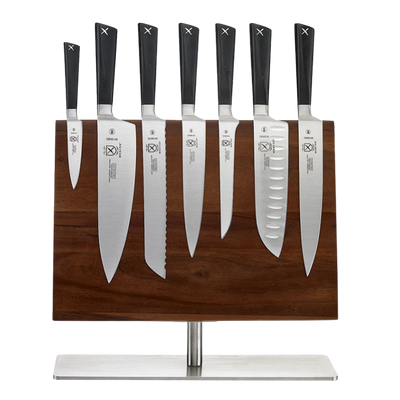
Storage protects both the blades and the crew. Magnetic strips or blade guards prevent edge damage and reduce the chance of accidental cuts during retrieval. Loose blades in a shared drawer remain a persistent liability in busy kitchens.
Training closes the loop. New hires who learn proper grip and cutting technique from the start carry those habits through their shifts. For operations with high turnover, structured knife training shortens the learning curve and lowers risk across the crew.
Frequently Asked Questions About Commercial Kitchen Knives and Food Prep Tools
What knives does every commercial kitchen need?
At minimum, a set of chef knives, utility knives, slicers, and paring knives covers the core prep demands. Specialty tools depend on the menu. Matching the blade to the task matters more than building the largest collection.
How does knife quality affect food consistency?
A sharp, well-balanced blade produces uniform cuts with less effort. Uniform cuts cook at the same rate and plate consistently, reducing waste from uneven portions. Blade quality is directly tied to the consistency of the final product.
Why does handle design matter for commercial kitchen knives?
Ergonomic handles reduce hand fatigue and improve grip stability over extended shifts. In high-volume kitchens where cooks prep for eight or more hours per day, handle design affects both safety and the quality of their work across the full shift.
How often should commercial kitchen knives be sharpened?
Frequency depends on volume and blade material. Most high-volume operations benefit from honing before each shift and professional sharpening on a regular schedule. Dull blades require more force, which increases fatigue and risk.
A PMR foodservice assessment evaluates how prep equipment, workflow design, and tool programs support back-of-house performance.
Whether the goal is reducing prep time or building a safer work environment for the crew, a conversation with PMR's team is a practical starting point.
