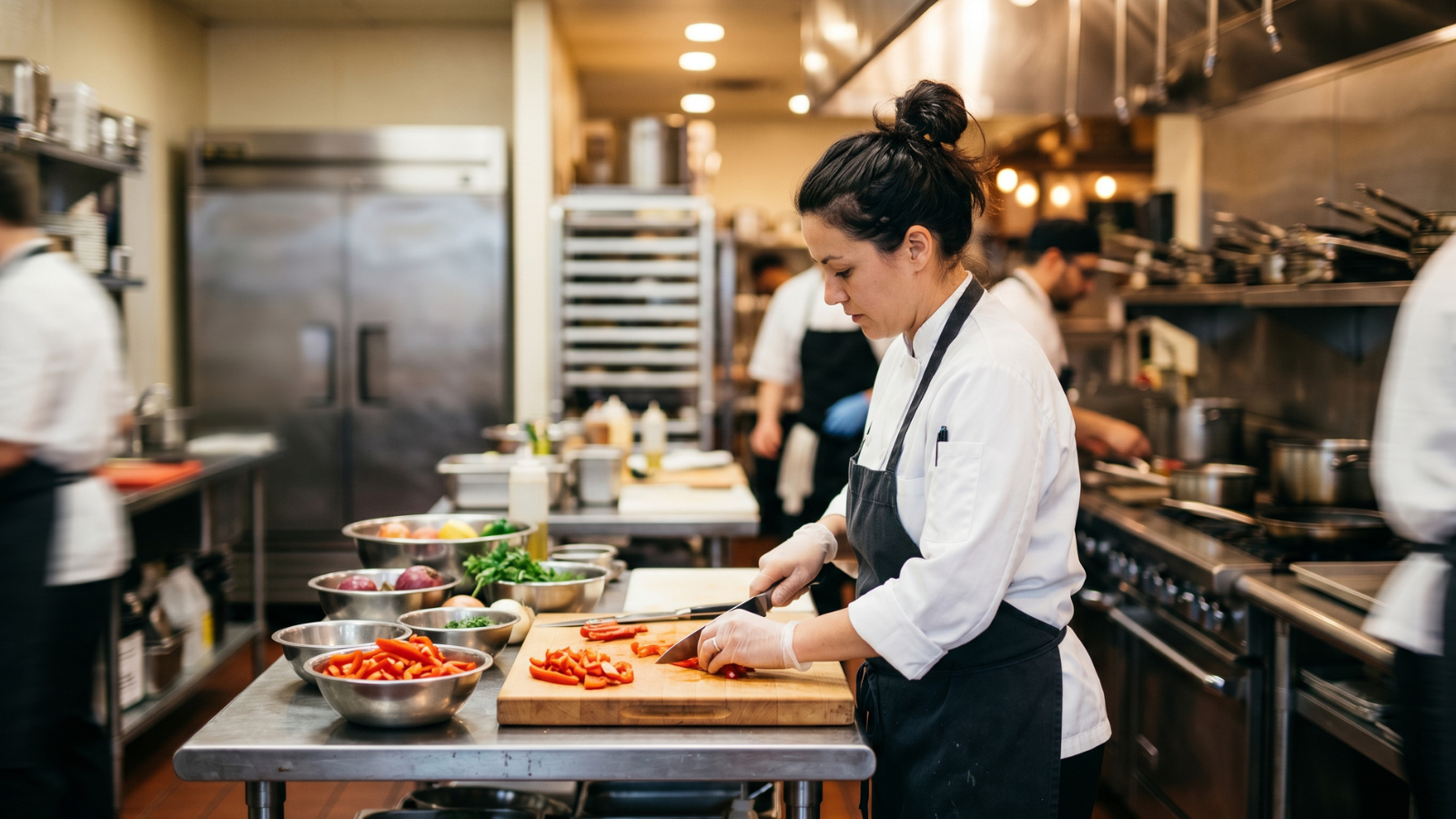
High-volume kitchens depend on the cold chain for more than compliance. How product is stored and how quickly it moves between temperature zones shapes both food safety outcomes and labor efficiency at every station.
When refrigeration supports the workflow, product stays safe and the kitchen moves faster. When it works against the workflow, operators absorb the cost in spoilage and extra steps that better planning would have prevented.
Why the Cold Chain Is the Foundation of Food Safety
Temperature control is the single most reliable tool operators have for preventing foodborne illness. The cold chain starts when raw product arrives at the receiving dock and continues through every stage until the plate reaches the guest. Every gap in that chain creates a window where risk compounds, whether from a propped-open door or a unit placed too far from the prep station.
Compliance requirements set clear boundaries: cold holding at or below 41°F, rapid cooling protocols for cooked foods moving into storage. Equipment that maintains those standards without constant manual oversight protects both the product and the operation.
For high-volume environments like onsite cafeterias and institutional kitchens, strong cold chain management reduces shrink and builds the documentation trail that keeps inspections routine rather than stressful.
How Reach-In and Undercounter Refrigeration Improves Kitchen Workflow
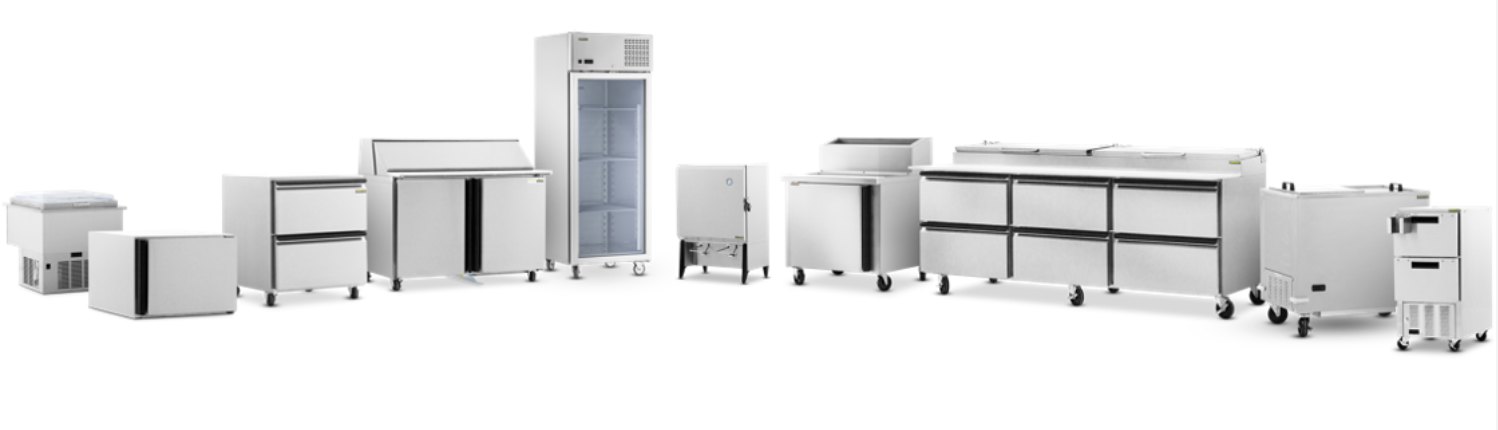
 Refrigeration placement shapes how fast a kitchen operates. When cooks walk to a central walk-in for every ingredient pull, throughput drops and the line slows. Reach-in and undercounter units positioned at the point of use keep product within arm's reach during prep and service.
Silver King refrigeration is built for this kind of workflow integration. Their reach-in and undercounter units are designed for high-volume commercial kitchens where point-of-use accessibility and consistent temperature performance determine whether the line runs smoothly or falls behind during a rush.
The operational payoff is straightforward. Fewer trips to the walk-in, faster ticket times, and less product sitting at ambient temperature during peak periods. For kitchens managing multiple stations, properly placed undercounter refrigeration reduces unnecessary movement and helps newer staff maintain food safety standards without constant supervision.
What Blast Chilling Does for Modern Kitchen Operations
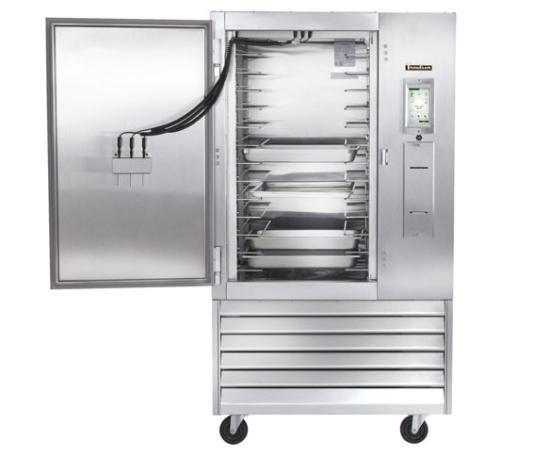
 Batch cooking is one of the most effective strategies for managing labor and consistency in high-volume operations. Traulsen blast chillers make that strategy work safely.
Rapid cooling takes cooked food from serving temperature to safe cold storage within the timeframe required by HACCP guidelines, protecting product quality and extending its usable life. Without blast chilling capability, operators face a tradeoff between smaller batches cooked more frequently and holding cooked food at temperature longer than ideal.
The advantages go beyond compliance. Blast chilling preserves texture and flavor in ways that slow cooling cannot match. For operations running banquet service or large-scale institutional meal prep, blast chilling turns batch production into a deliberate strategy rather than a labor-intensive workaround.
How to Design Refrigeration Around the Way a Kitchen Actually Moves
Equipment placement often follows available space rather than workflow logic. The result is a kitchen where cooks compensate for poor layout with extra steps and workarounds that introduce food safety gaps.
Designing refrigeration around workflow means mapping how product moves through the kitchen, from receiving through storage, prep, cooking, holding, and service. Each transition point is an opportunity to support both speed and safety.
Practical considerations include:
- Positioning undercounter units at prep and line stations for point-of-use access
- Placing reach-in refrigeration to minimize cross-traffic between stations
- Staging blast chillers near cooking equipment to shorten the cooling window
- Organizing walk-in storage to support first-in-first-out rotation without extra labor
When refrigeration and cooking equipment work as a connected system, the kitchen operates with fewer manual corrections. Combi oven technology and refrigeration are two sides of the same workflow. The layout should reflect that.
Frequently Asked Questions About Commercial Refrigeration and Food Safety
How does refrigeration placement affect food safety compliance?
Proper placement keeps product at safe temperatures throughout the workflow, reducing the time ingredients spend in the danger zone between 41°F and 135°F. Units positioned at the point of use allow cooks to maintain cold chain integrity without disrupting service flow.
What is the difference between reach-in and undercounter refrigeration in a commercial kitchen?
Reach-in units provide larger-capacity cold storage accessible from standing height. Undercounter units fit beneath prep surfaces and cooking stations, keeping frequently used ingredients within arm's reach during service. Most high-volume kitchens benefit from both.
Why is blast chilling important for batch cooking operations?
Blast chilling rapidly brings cooked food to safe storage temperatures within HACCP-required timeframes. This allows operators to cook in larger batches without compromising food safety, reducing total labor hours while extending the shelf life of prepared food.
How can operators tell if their refrigeration layout needs improvement?
Map the physical path product takes from receiving through service. If cooks walk past multiple stations to reach refrigerated storage, or if prep areas lack point-of-use cold holding, the layout is adding labor and food safety risk that better placement would eliminate.
A PMR foodservice assessment evaluates how refrigeration and cooking equipment work together across the kitchen.
Whether the priority is tightening food safety protocols or reducing the labor cost built into daily operations, a conversation with PMR's team is a practical starting point.
